Sicily vs Amalfi Coast: Where Should You Have Your Destination Wedding? A Photographer's Comparison
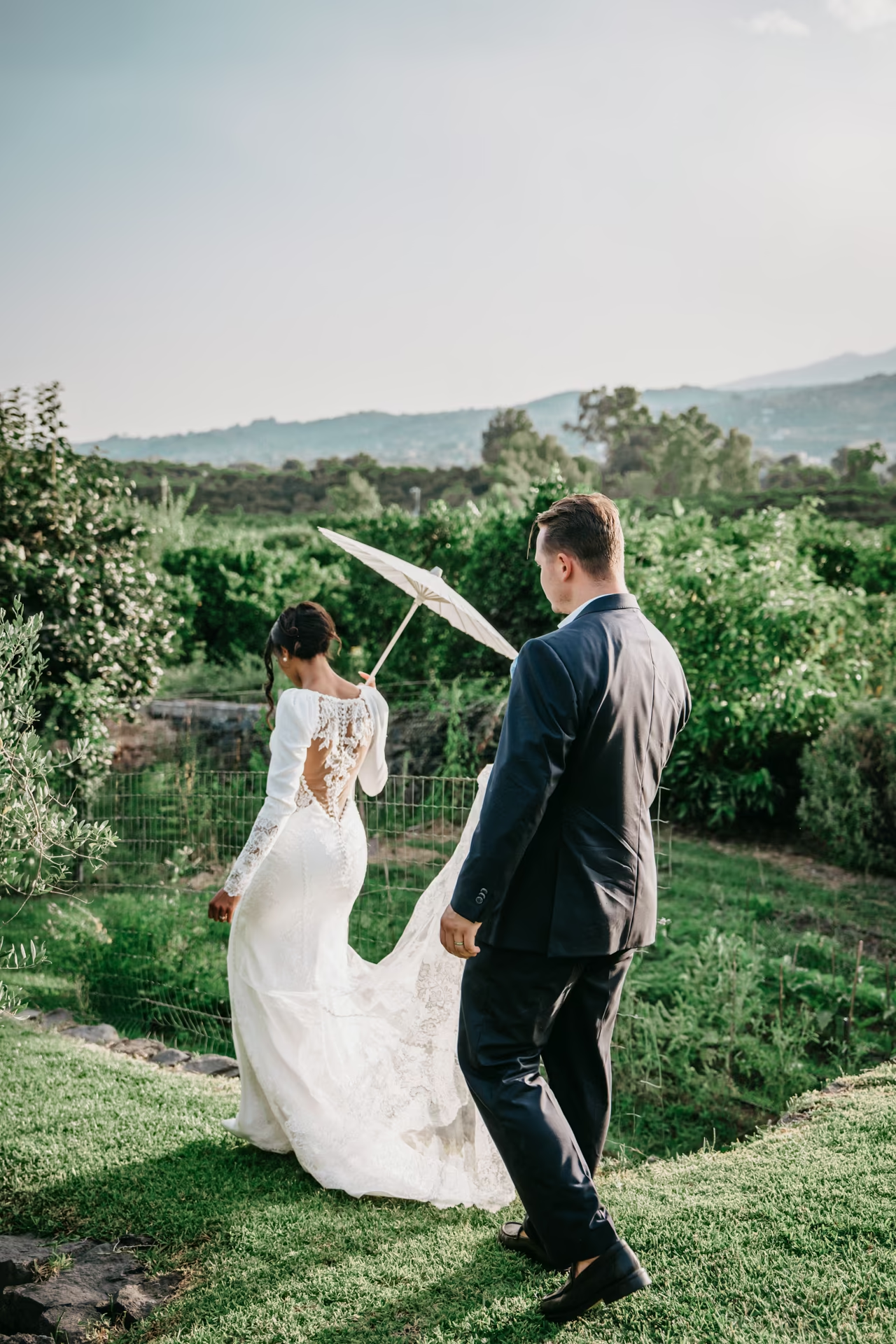
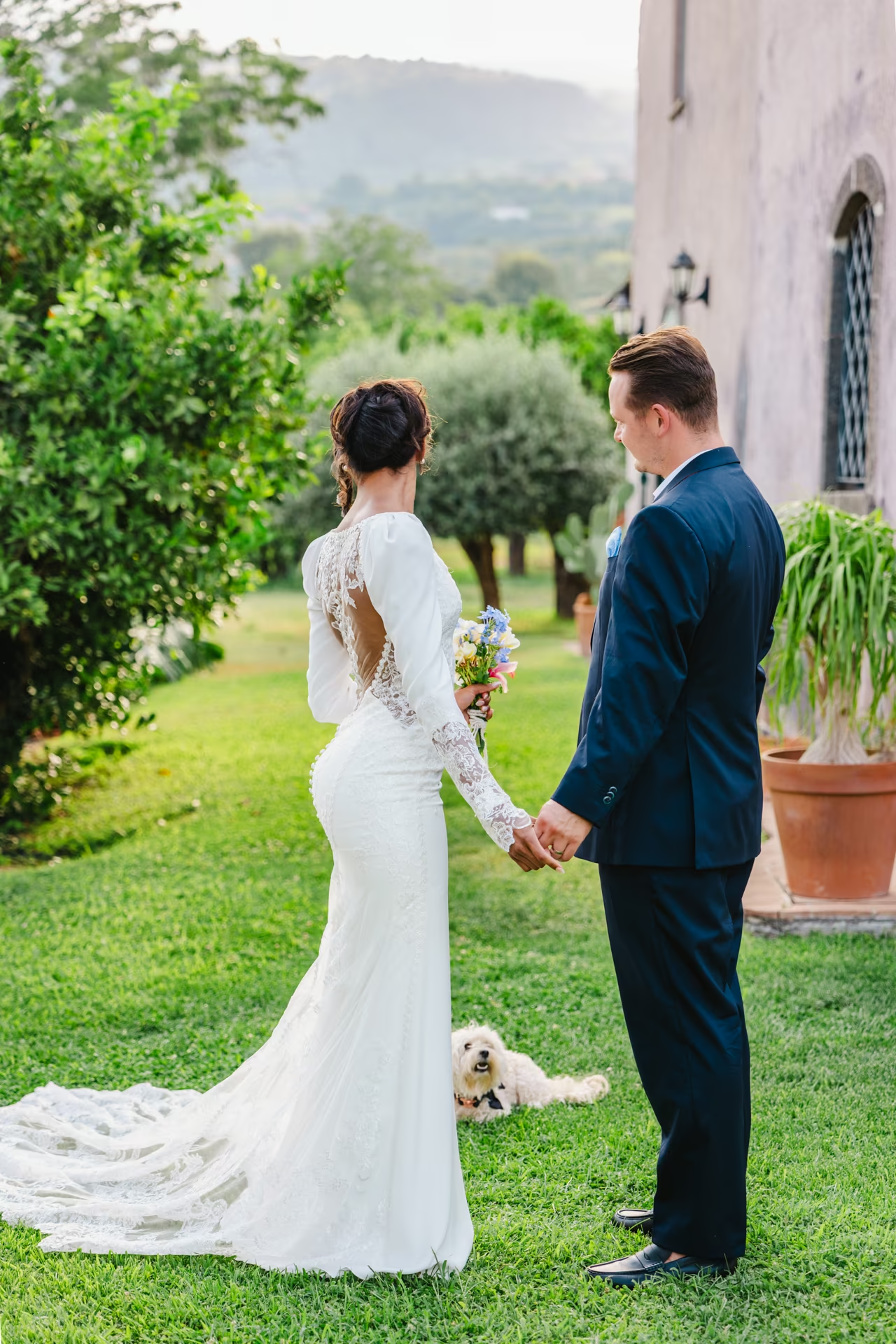
Choosing between a Sicily vs Amalfi Coast wedding is one of the most common dilemmas I hear from couples planning a destination wedding in Italy. After more than a decade photographing luxury weddings across both regions — from the cliffside terraces of Ravello to the ancient Greek Theatre of Taormina — I've seen firsthand what each destination offers, what it costs, and what it looks like through a camera lens. This is the honest, detailed comparison I wish someone had written for my own clients years ago.
Let me be clear from the start: both regions are extraordinary. Italy doesn't really do "bad" when it comes to wedding destinations. But they are profoundly different places with different souls, different price tags, and different photographic possibilities. If you're weighing a Taormina vs Ravello wedding, or simply trying to decide on the best destination wedding in Italy, this guide will give you the real picture — not the glossy brochure version.
Two Italian Dreams, Different Souls
The Amalfi Coast and Sicily are both southern Italian, both Mediterranean, both stunningly beautiful — and that's roughly where the similarities end.
The Amalfi Coast is a narrow, 50-kilometer ribbon of coastline hugging the Sorrentine Peninsula south of Naples. Its towns — Positano, Amalfi, Ravello — cling to near-vertical cliffs, their pastel facades cascading toward cobalt water. It is Italy's most famous coastline, and it has been a luxury destination since Roman emperors built villas here two millennia ago. Today, it is polished, well-marketed, and undeniably photogenic. It is also, frankly, one of the most expensive and crowded wedding destinations in Europe.
Sicily is something else entirely. The largest island in the Mediterranean is a continent in miniature — volcanic mountains, Baroque cities, Greek temples older than the Parthenon, wild coastlines, and a culinary tradition that rivals any region on earth. Taormina, perched on a cliff 200 meters above the Ionian Sea with the smoking cone of Mount Etna as its permanent backdrop, has drawn artists, writers, and romantics since the Grand Tour era. But Sicily has never been as aggressively marketed as the Amalfi Coast, which means it has retained something increasingly rare in modern travel: authenticity.
"The Amalfi Coast is a postcard. Sicily is a novel." — I've said this to dozens of couples, and I stand by it. Both are beautiful, but one tells a deeper story.
That distinction matters enormously for wedding photography — and for the experience your guests will have. Let me break it down systematically.
The Complete Comparison: Sicily vs Amalfi Coast Wedding
Here's an at-a-glance comparison of the factors that matter most when planning a destination wedding in Italy. I'll dive deeper into each category below.
| Factor | Sicily (Taormina) | Amalfi Coast (Ravello/Positano) |
|---|---|---|
| Weather (May–Oct) | 25–35°C, 300+ sunny days/year, reliable blue skies | 22–32°C, humid, occasional summer haze |
| Nearest Major Airport | Catania (CTA) — 50 min drive | Naples (NAP) — 75–90 min drive |
| Venue Range | Ancient theatres, Baroque palazzi, volcanic estates, beach clubs, hilltop castles | Cliffside villas, hotel terraces, historic gardens, converted monasteries |
| Average Venue Cost | €5,000–€25,000 | €10,000–€50,000+ |
| Photographer Cost (Full Day) | €3,000–€8,000 | €5,000–€15,000 |
| Guest Accommodation | €100–€400/night (wide range) | €250–€800/night (limited availability) |
| Photography Potential | Exceptional: volcanic landscapes, golden light, dramatic variety | Excellent: vertical coastline, pastel villages, sea views |
| Crowd Levels (Peak Season) | Moderate in Taormina; quiet once you leave town | Extreme; roads gridlocked June–September |
| Cuisine & Dining | World-class; street food culture, fresh seafood, volcanic wines | Excellent; more tourist-oriented, higher prices |
| Cultural Depth | Greek, Arab, Norman, Baroque — 3,000 years of layered history | Roman, Medieval, Renaissance — refined but narrower |
| Guest Experience | Multi-day exploration (Etna, Syracuse, Savoca, beaches) | Concentrated; less variety beyond the coastline |
Photography Comparison: Where the Light Tells a Better Story
This is the section where I'll inevitably reveal my bias — not because I live in Taormina, but because light doesn't lie.
The Light
The Amalfi Coast faces west, which means you get beautiful sunset light over the Tyrrhenian Sea. Golden hour is reliably gorgeous, and the vertical topography creates interesting shadow play on those famous pastel walls. The challenge is that the coast is narrow and hemmed in by mountains, so direct sunlight can disappear early in certain locations, and the summer haze that builds over the Bay of Naples can soften the light in ways that aren't always flattering.
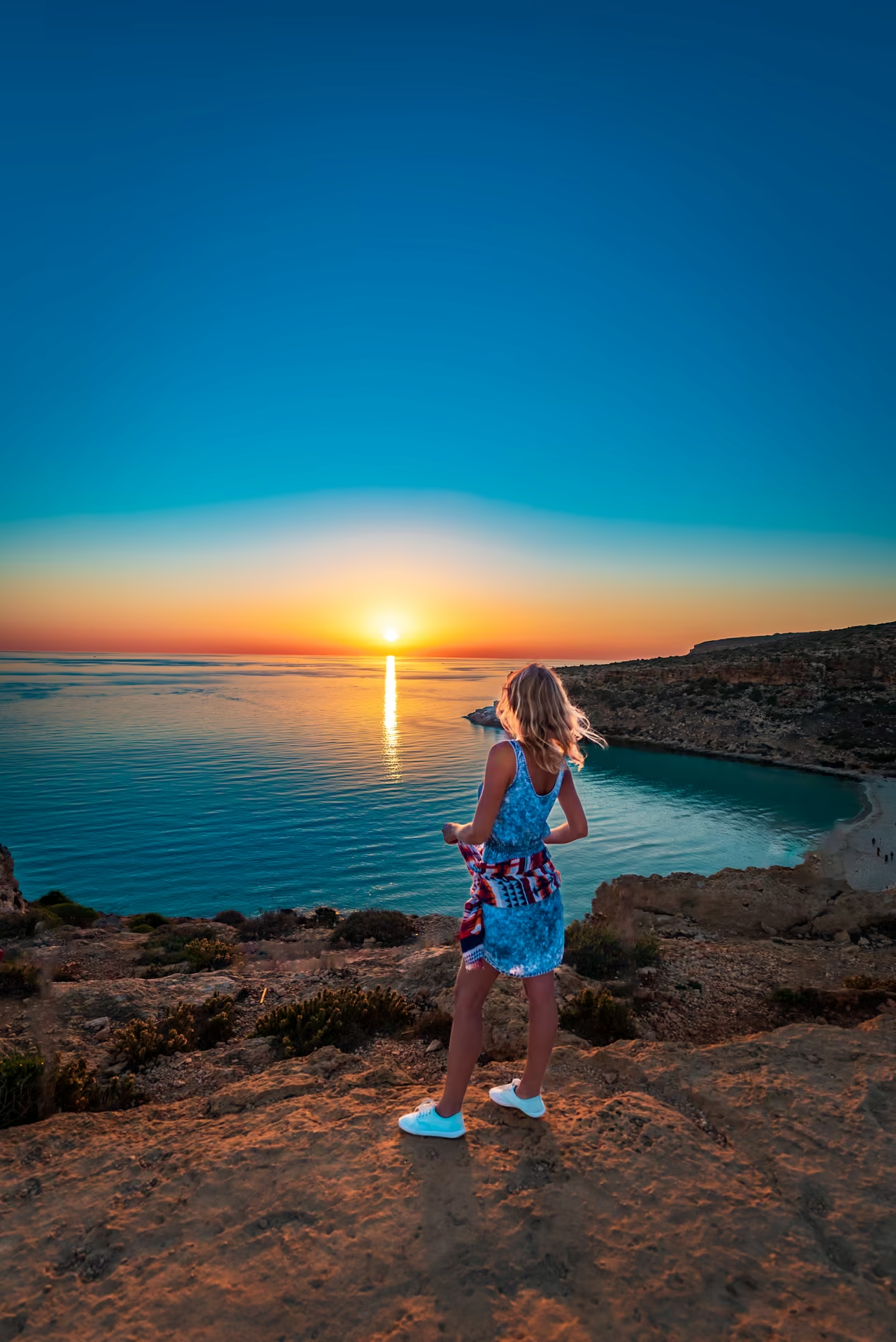
Sicily's eastern coast — where Taormina sits — faces the Ionian Sea to the east, which gives you something the Amalfi Coast cannot: spectacular sunrise light over the water and long, warm afternoon light that wraps around the hilltop town from the west. The air is drier and cleaner than the Amalfi Coast, which means sharper contrast, deeper blues, and that luminous Mediterranean clarity that makes photographs look like Renaissance paintings.
And then there's Mount Etna. No other wedding destination in Italy — arguably in Europe — gives you an active volcano as a backdrop. At sunrise, Etna often wears a crown of pink and gold clouds. At sunset, the mountain turns purple against a burning sky. In winter, its snow-capped peak adds drama that no amount of post-processing could replicate. It is, simply, one of the most extraordinary natural backdrops on earth.
The Backdrops
The Amalfi Coast offers one primary visual story: vertical coastline, sea, and pastel architecture. It's a magnificent story, but it is essentially one story told from different angles. Ravello's Villa Cimbrone terrace is iconic. Positano's cascading houses are instantly recognizable. But after a full day of shooting, you're working with variations on a theme.
Sicily gives you range. In a single wedding day in Taormina, I can shoot:
- The Greek Theatre (3rd century BC) with its stone arches framing the sea and Etna
- Baroque streetscapes with wrought-iron balconies and crumbling ochre walls
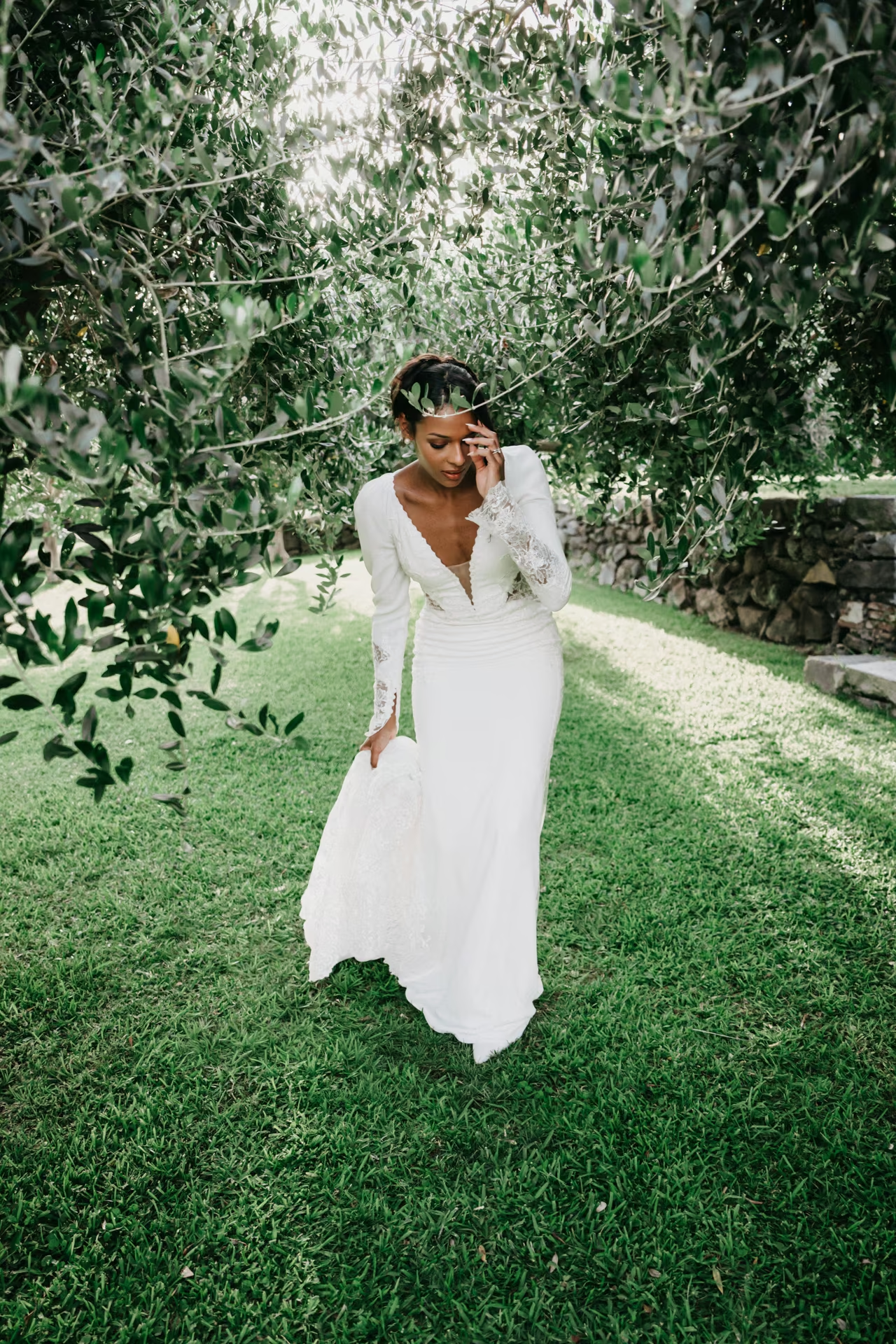
- Lush Mediterranean gardens with bougainvillea, citrus groves, and ancient stone
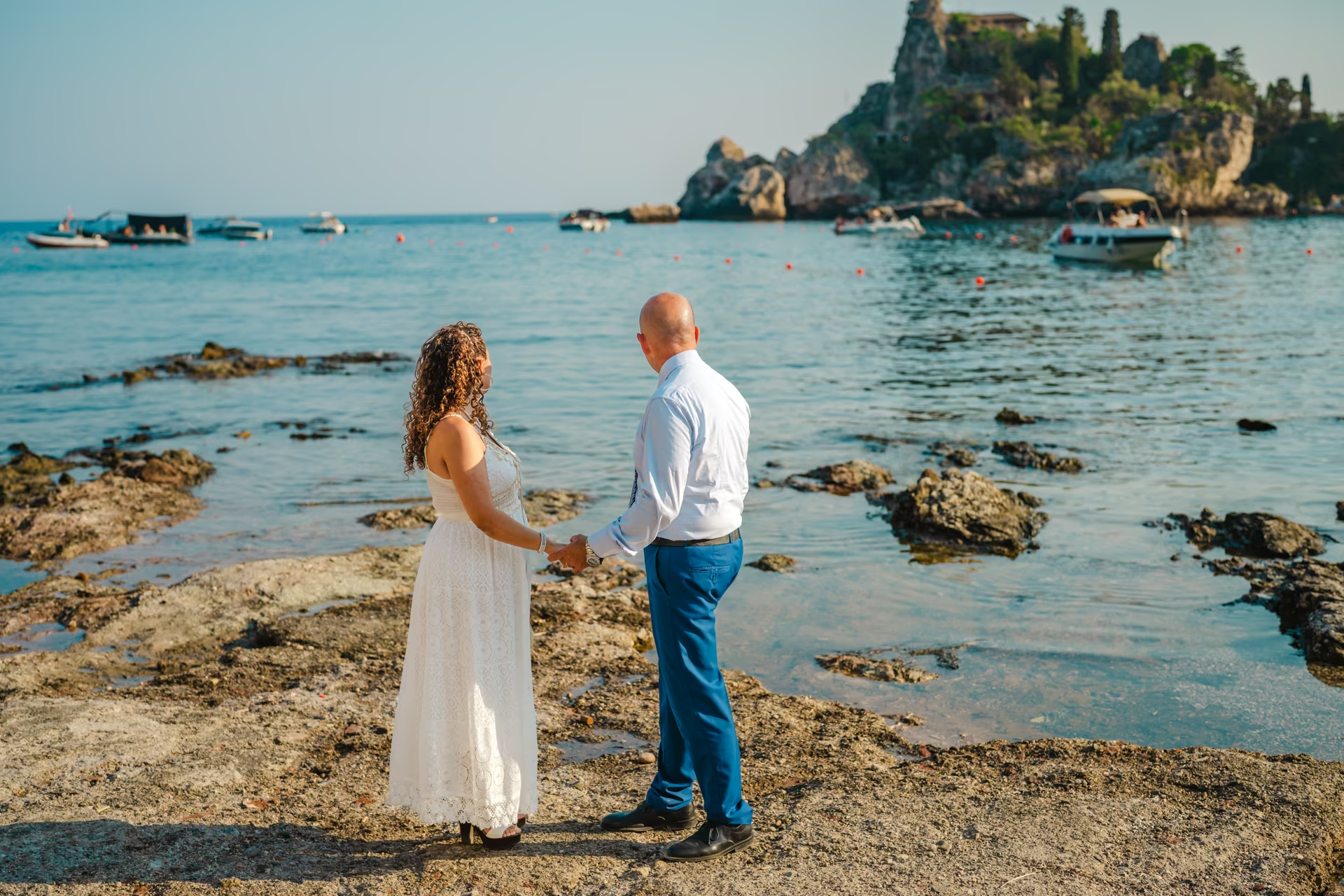
- Wild coastal cliffs at Isola Bella, where turquoise water meets rocky shoreline
- Volcanic landscapes on the slopes of Etna, with black lava fields and chestnut forests
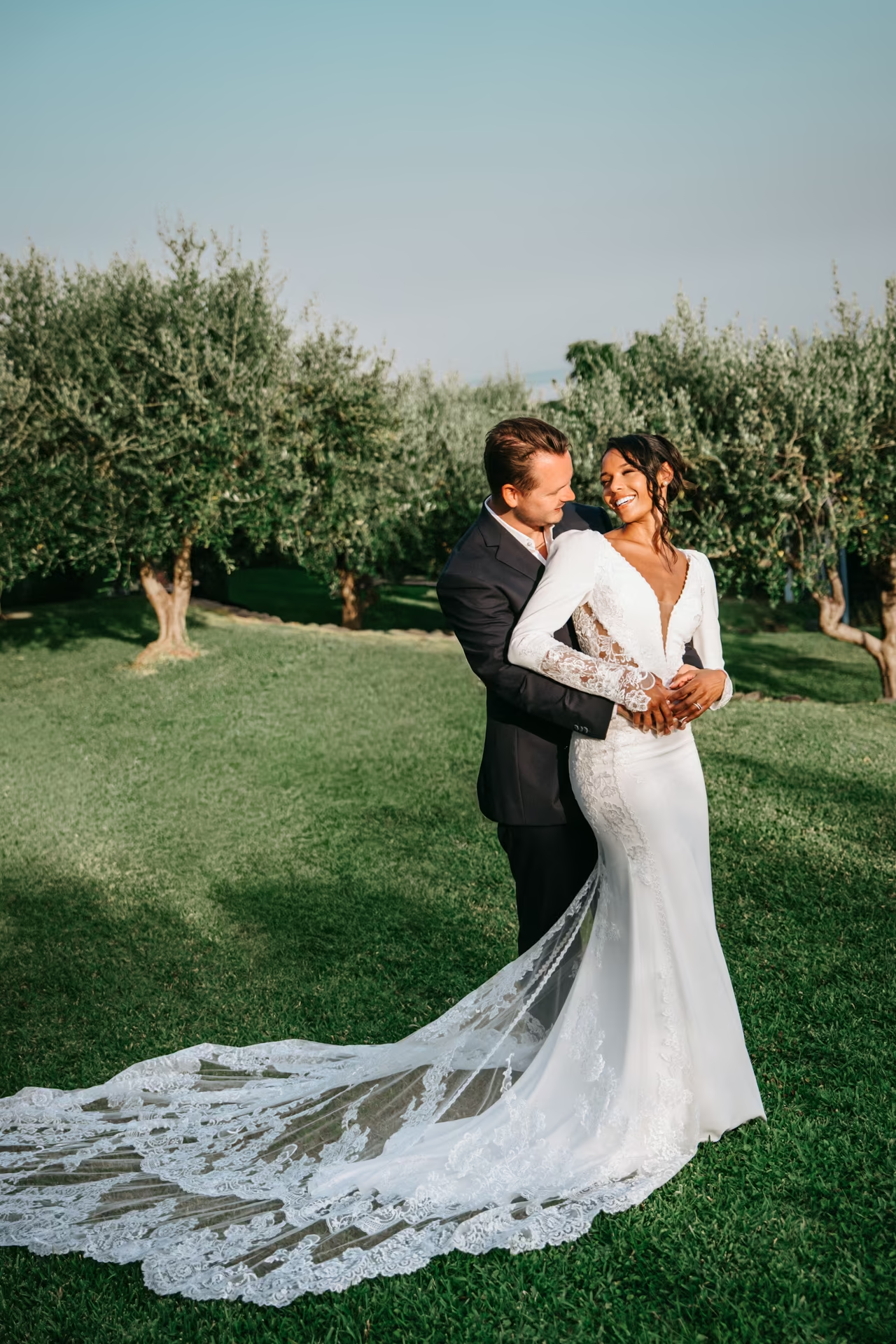
That variety isn't just visually interesting — it means your wedding album tells a richer, more layered story. Every chapter looks different. For couples who value fine art wedding photography with editorial depth, that diversity is invaluable.
Check out my portfolio to see how these different Sicilian backdrops come together in a single wedding story.
Variety and Logistics
Here's a practical consideration many couples overlook: the Amalfi Coast is logistically challenging for photography. The roads are single-lane, traffic is brutal in summer, and moving between locations takes far longer than the map suggests. A "quick drive" from your Ravello venue to a Positano beach can take 45 minutes in traffic — time you could spend taking photographs.
Taormina is compact and walkable. The historic center is pedestrian-only, and you can reach dramatically different locations — the Greek Theatre, the gardens, the coastal paths — within minutes on foot. For a photographer, this means more time shooting and less time sitting in a van on a hairpin road.
Cost Comparison: The Numbers That Matter
Let's talk about money honestly. The Amalfi Coast wedding tax is real, and it's significant.
Venues
A premium venue in Ravello — say, Villa Cimbrone or Hotel Caruso — will run you €20,000 to €50,000 for the venue hire alone, before food, drink, or flowers. Mid-range options exist, but "mid-range" on the Amalfi Coast still means €10,000–€15,000.
In Taormina, a comparable luxury experience — a historic palazzo with panoramic views, or an exclusive villa with Etna as a backdrop — typically costs €5,000 to €20,000. The quality of the spaces is equivalent; the markup is not. Sicily simply hasn't undergone the same aggressive price inflation as the Amalfi Coast, largely because it's been discovered more recently by the international wedding market.
Accommodation
This is where the difference hits your guests hardest. A decent hotel room in Positano in June will cost €350–€600 per night. In Ravello, slightly less, but availability is limited. Many Amalfi Coast towns have fewer than 500 hotel rooms total, which means peak-season weddings compete with peak-season tourism for a finite supply of beds.
Taormina offers a much wider range: five-star hotels from €250/night, charming boutique options from €120/night, and stunning Airbnb villas from €100/night. Your guests will thank you — especially the ones staying for a long weekend.
Photography
As a destination wedding photographer in Sicily, I can tell you that photographer rates on the Amalfi Coast have climbed steeply over the past five years. Top-tier photographers based in or frequently shooting on the Amalfi Coast now charge €8,000 to €15,000 for full-day coverage. Equivalent talent in Sicily — photographers with international portfolios and editorial credits — typically charges €3,000 to €8,000.
The quality gap? Nonexistent. The price gap? Very real.
The Bottom Line
A 100-guest luxury wedding on the Amalfi Coast will typically cost €80,000–€200,000 all-in. The same caliber wedding in Taormina runs €40,000–€100,000. You're not getting less — you're paying less for the same Mediterranean magic, often with better food and more authentic experiences.
For a detailed look at what Taormina's top venues offer, read my guide on the best wedding venues in Taormina.
Accessibility: Getting There and Getting Around
Airports and Transfers
Sicily wins this one clearly. Catania-Fontanarossa Airport (CTA) is a major hub with direct flights from most European capitals, the UK, and seasonal routes from North America. The drive to Taormina is 50 minutes on a modern highway — straightforward and scenic.
The Amalfi Coast requires flying into Naples (NAP), then enduring a 75–90 minute transfer that includes some of Italy's most notorious roads. The SS163 Amalfitana — the only road connecting Amalfi Coast towns — is a winding, single-lane cliff road that is regularly gridlocked in summer. Private transfers are expensive (€150–€250 one way), and even helicopter transfers (yes, some couples resort to this) can't solve the last-mile problem of narrow streets and limited parking.
Getting Around
Once in Taormina, the historic center is entirely walkable. Taxis and private drivers are affordable, and day trips to Etna, Syracuse, or the Godfather filming locations in Savoca are easy to arrange. Your guests can independently explore without stress.
On the Amalfi Coast, getting around without a private driver is genuinely difficult. Public buses are packed in summer, ferries are weather-dependent, and rental cars are a nightmare (narrow roads, no parking, aggressive local drivers). This is a meaningful quality-of-life issue for wedding guests, especially elderly relatives or families with children.
The Verdict: Who Should Choose Sicily, and Who Should Choose the Amalfi Coast?
After photographing weddings in both regions for over ten years, here's my honest assessment.
Choose the Amalfi Coast if:
- Brand recognition matters to you. Positano and Ravello are globally iconic. If you want a destination that needs no explanation on the wedding invitation, the Amalfi Coast delivers instant prestige.
- You want a compact, contained experience. The Amalfi Coast is small and self-contained. If your vision is a single stunning terrace overlooking the sea with no need to explore further, it works beautifully.
- Budget is not a primary concern. If you're spending without constraints, the Amalfi Coast's premium venues and services are undeniably luxurious.
Choose Sicily (and Taormina) if:
- You want a richer, more layered experience. Sicily offers cultural depth, culinary authenticity, and visual variety that the Amalfi Coast simply cannot match. Your wedding week becomes an adventure, not just an event.
- Photography is a priority. If you want a wedding album with dramatic range — volcanic landscapes, ancient ruins, Baroque architecture, wild coastlines, and incomparable golden light — Sicily is unmatched in Italy.
- You want luxury without the markup. The same quality of venue, food, and service costs 40–60% less in Sicily than on the Amalfi Coast. That's not a compromise; it's a smarter allocation of your budget.
- Your guests' experience matters. Easier flights, simpler logistics, better accommodation value, and a destination that rewards exploration — your guests will have a better time in Sicily, full stop.
- You value authenticity. Sicily hasn't been polished into a theme park. It's raw, beautiful, alive, and utterly real. That energy translates directly into photographs with soul.
If you're leaning toward Sicily, I'd love to show you what's possible. Start with my destination wedding photography portfolio or read more about working with me as your Sicilian wedding photographer.
Planning Your Sicily Wedding: Practical Next Steps
If this comparison has pointed you toward Sicily, here are a few things worth knowing as you begin planning:
- Book early for June and September. These are the ideal months — warm but not scorching, with the longest golden hours. October is also magnificent and far less crowded.
- Consider a multi-day celebration. Sicily rewards time. A welcome dinner in a Taormina piazza, a ceremony at a hilltop villa, a next-day brunch at a beach club — the island has the infrastructure and the variety to support it.
- Hire local vendors. Sicilian florists, planners, and caterers are extraordinary and significantly more affordable than flying in Amalfi Coast vendors (which some couples actually do).
- Plan an Etna experience. A sunset wine tasting on the slopes of Etna is one of the most memorable things your guests will ever do. It also makes for incredible couple portraits.
For more on what makes Taormina special for weddings, read my complete guide to Taormina as a wedding destination.
Frequently Asked Questions
Is Sicily or the Amalfi Coast better for a destination wedding?
Both are exceptional, but they serve different priorities. The Amalfi Coast offers instant brand recognition and a compact, iconic coastline. Sicily — particularly Taormina — offers greater photographic variety, deeper cultural richness, significantly lower costs, and a more authentic Italian experience. For couples who value substance over status, Sicily is the stronger choice.
How much cheaper is a wedding in Sicily compared to the Amalfi Coast?
On average, a luxury wedding in Sicily costs 40–60% less than a comparable wedding on the Amalfi Coast. A 100-guest celebration in Taormina typically runs €40,000–€100,000 all-in, compared to €80,000–€200,000 on the Amalfi Coast. The savings come from lower venue fees, more affordable accommodation for guests, and competitive vendor pricing.
What is the best time of year for a wedding in Taormina, Sicily?
Late May through mid-October is the prime wedding season in Taormina. June and September offer the ideal balance of warm weather (25–30°C), long daylight hours for photography, and manageable tourist crowds. October is an underrated gem — still warm, beautifully soft light, and fewer visitors. July and August are hot (33–37°C) but offer spectacular evening celebrations.
Can you have an outdoor wedding ceremony in Taormina?
Absolutely. Taormina offers numerous outdoor ceremony locations, from historic villa gardens and panoramic terraces to the iconic Greek Theatre (available for private events by special arrangement). Sicily's reliable weather — over 300 sunny days per year — makes outdoor ceremonies a safe bet from May through October, far more reliably than the occasionally hazy and humid Amalfi Coast.
How do I choose a wedding photographer for a Sicily destination wedding?
Look for a photographer who lives and works in Sicily year-round, not just a destination shooter who visits occasionally. Local photographers understand the light at every hour, know the hidden locations, and have established relationships with venues and planners. Review their full wedding galleries (not just highlight reels), ask about their experience with the specific venues you're considering, and ensure their style aligns with your vision — whether that's documentary, fine art, or editorial. Get in touch with VanSky Studio to discuss your Taormina wedding.
Joanna Levit is the creative director and lead photographer at VanSky Studio in Taormina, Sicily. With over a decade of experience capturing luxury weddings, editorial campaigns, and fine art portraits across the Mediterranean, his work has been featured in leading international publications. His philosophy: every photograph should feel like a painting you'd hang on your wall.
Planning a destination wedding in Sicily? Explore the VanSky Studio portfolio or get in touch to start a conversation about your celebration.